
Life as an adult can often become a routine filled with responsibilities and tasks, leaving little room for the simple joys and freedom that play used to provide. So, is play only for kids? In fact, play offers surprising benefits for our mental well-being, creativity, and our ability to manage life’s stresses.
I’ve watched many nature documentaries. I’ve always been fascinated by them. From Attenborough’s Frozen Planet to Gordon Buchanan’s Bear Family and Me.
One thing I’ve noticed over and over again, whether it’s wolf pups or tiger cubs, is that they always learn their skills and test the boundaries through play, whether it’s play fighting with their siblings or imitating their mother hunting.

As we grow up, we’re encouraged to engage with a variety of toys and activities that nurture our spatial awareness, motor skills, and problem-solving abilities.
The best teachers I had at school were always those who encouraged experimentation and gave me the freedom to explore. I remember the head of music, who also led the big band and orchestra, both of which I was in, handing me a double bass in a music lesson. I turned to him, puzzled, and said, “I don’t play the double bass; I play the violin and trombone.” He simply replied, “Just give it a go—you’ll be able to do it; it’s not that different from the violin.” (I’m paraphrasing, as I don’t remember his exact words—I was about twelve!)
He allowed space for play, and I ended up enjoying the experience, realising that I could actually manage it, at least for the exercise. His trust in me ultimately led to personal growth.
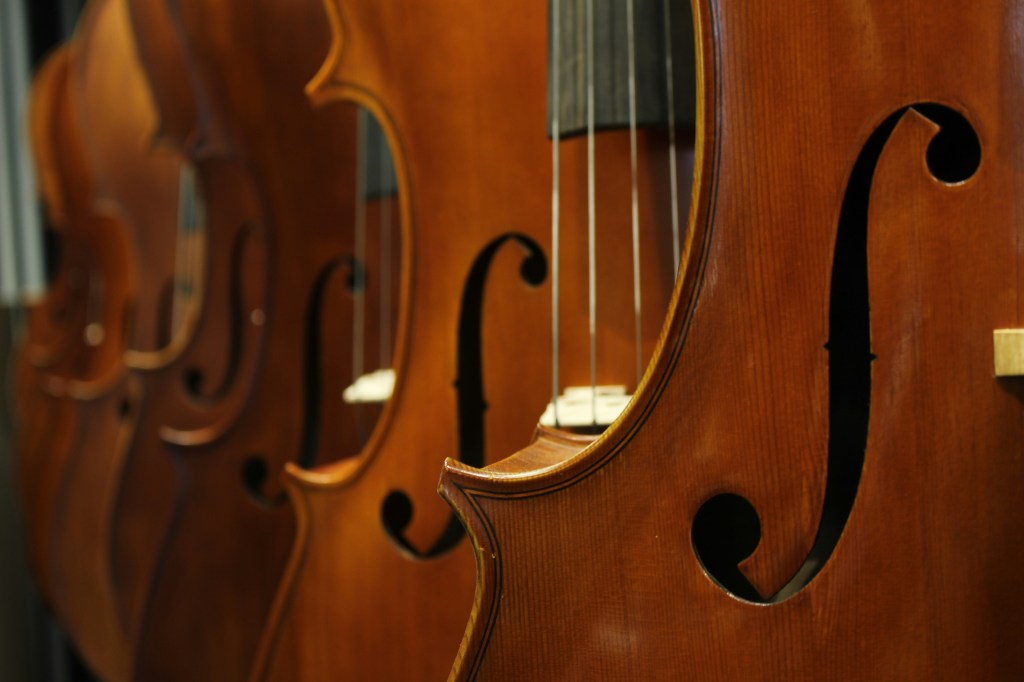
My Design and Technology teacher was the same. He treated us as equals, spoke to us like adults, and integrated freedom and experimentation into his lessons, which ultimately led to me producing better-designed products. It’s no wonder these were my two favourite subjects. They allowed me to get hands-on, experiment and create.
Whenever I tutor or hire new staff, I try to remember these moments and apply the same approach, creating a similar space for the children in my sessions.
As infants, we explore high-contrast, colourful toys; as toddlers, we dive into storytelling and character creation; and as teenagers, we expand into sports, arts, music, and beyond. Yet, as we reach adulthood, our lives often fall into routines, with each day feeling much like the last, leaving little room for the play and exploration that once fuelled our growth.
I’ve been feeling this way over the past few months. Naturally, there are always peaks and troughs in life, but as life has become increasingly stressful and monotonous for more than just the occasional week, I finally realised why: I seem to have systematically removed the fun from my life.
Things I used to do for fun, such as DJing, music production, and photography, have all felt like work for the longest time. After spending most of the day on my laptop, I didn’t want to come home and sit down to edit photos or produce music, on my laptop.

I’ve felt that my creativity and connection to source— or wherever creativity comes from—had been disconnected. There are many reasons why I didn’t want to do any of these tasks. Partly, I was too focused on the outcome: the views, the listens, the likes, and my perfectionism (more on this in another blog). It could also be related to dopamine levels, but mainly, it’s because I’d turned my passions into exactly that: tasks. In short, I’d removed the fun.
I’ve come to realise how crucial play is in our everyday lives. Not just for babies and toddlers, but for us. Fully grown adult humans.
The Benefits of Play for Adults
The human brain’s physical growth stops in the early twenties. The prefrontal cortex, the front part of the brain’s frontal lobe, located just behind the forehead, is the last area to mature and completes most of its development by the mid-20s. This area is responsible for functions such as decision-making, impulse control, planning and organising, attention and focus, and emotional regulation.

So am I saying that adults should go and buy some hand puppets? Not exactly, but play is just as important for adults as it is for children.
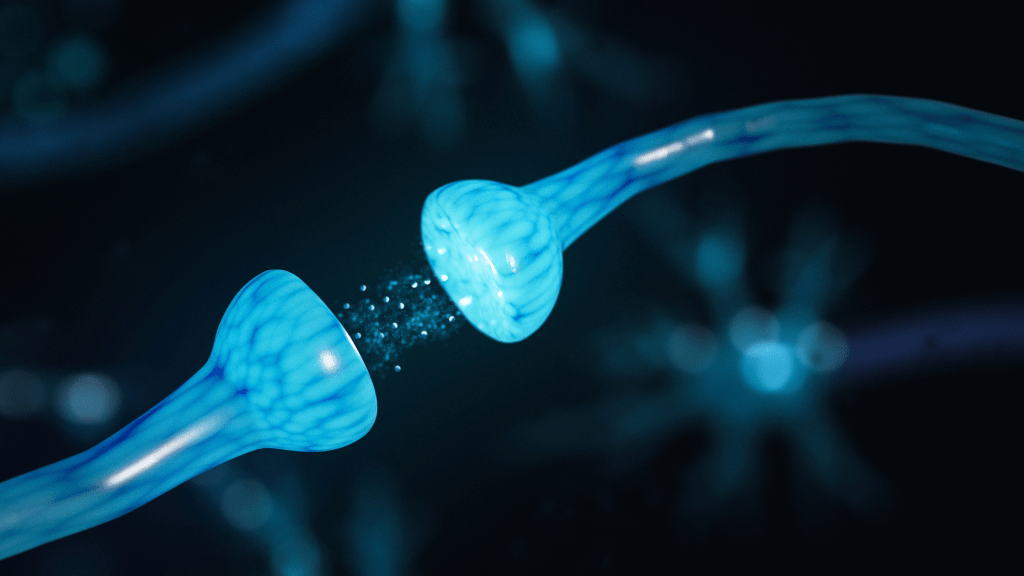
While the brain’s physical growth largely stops in the mid-20s, neuroplasticity—the brain’s ability to reorganise itself by forming new connections—continues throughout life. This allows adults to keep learning, adapting, and even recovering from injuries. This is where play comes in. Play supports neuroplasticity in adults by stimulating the brain to form new neural connections, adapt to new situations, and strengthen cognitive abilities.
In addition to supporting neuroplasticity, another major benefit of play is stress reduction. Engaging in play offers a valuable escape from work stress, responsibilities, and daily routines. It helps lower cortisol levels and promotes relaxation. Furthermore, play positively affects cognitive function, emotional resilience, productivity, and focus while also simply bringing joy and satisfaction.
Group activities such as sports, dance and social events can foster a sense of belonging and build relationships. Physical activities keep adults active and healthy by improving things such as cardiovascular health, muscle strength, and overall fitness. Physical play also releases happy hormones such as endorphins, which can improve mood and energy levels, making it great not just for your physical health but your mental health, too.
What Have I Done To Make Things Fun Again?
After coming to this realisation, I decided to do something about it. I dug out my DSLR camera, which had been sitting in a cupboard for the last 6 years as I have been using my phone for all of my photography.
I was looking for a photography course to go on somewhere in London when I was gifted an online photography course (www.theschoolofphotography.com) by my mum for my birthday. I’m learning about DSLRs and photography again from the ground up, and I’m doing my next lesson after finishing this blog post!
I’ve enjoyed the first few lessons because I didn’t put any pressure on myself. I approached it with an open mind, focusing simply on the experience rather than any specific outcome. It was just for me. I also intend to follow through with my plan to join some in-person photography classes, groups, or photo walks.
I’ve started uploading my photos again, aiming for twice a week. However, I’m not putting pressure on myself if I miss that.

The next thing I did was look into books to get my creative spark back. I had two books in my Amazon basket in the lead-up to my birthday. The first was The Creative Act by Rick Rubin.
Rick Rubin is co-founder of Def Jam Records (along with Russell Simmons) and is partly responsible for bringing hip hop into the mainstream. His creative approach is closely linked to spirituality, seeing art as a means of self-discovery beyond the ego. He emphasises mindfulness, presence, and intuition, encouraging artists to reach a meditative state to express their authentic voice and gain new artistic insights.
The second was The Artist’s Way by Julia Cameron, a 12-week programme aimed at finding a spiritual path to higher creativity. After reading the reviews, I felt that this book was exactly what I was looking for. The combination of creativity and spirituality could help to reconnect me.

In a burst of synchronicities, it arrived at my door on the evening of my birthday as a gift from my sister—who had no idea I almost bought it the day before. Clearly, the universe is supporting me in this journey to rediscover my creativity and bring back the fun!
Finally, I’ve started to play badminton again, playing with friends most weeks. I am continuing weight training with my personal trainer two mornings a week, having just hit PBs of 160kg deadlift and 130kg squat. I’ve started to hit the steam room and sauna two mornings a week before work with my business partner. I’ve started meditating (again) here and there, reading more, and I am still continuing with therapy one morning a week to work through all this.
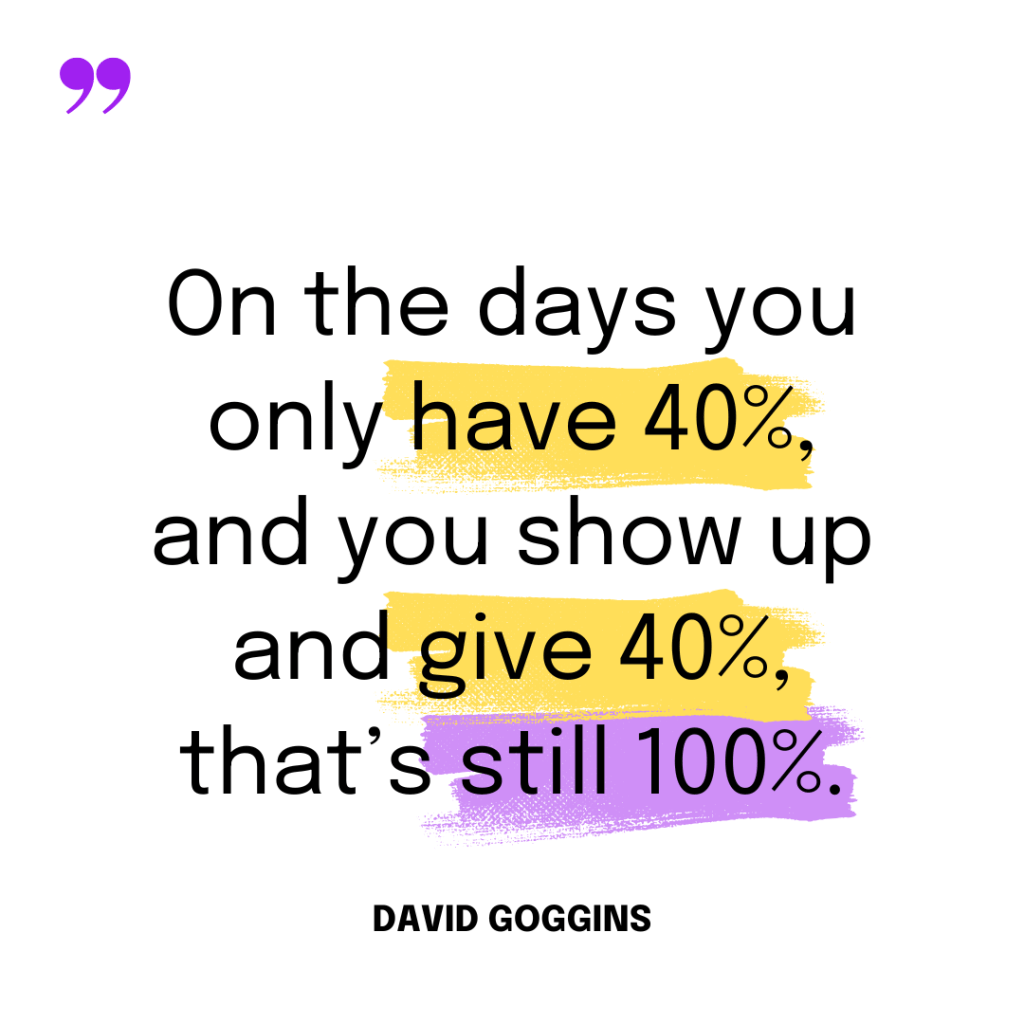
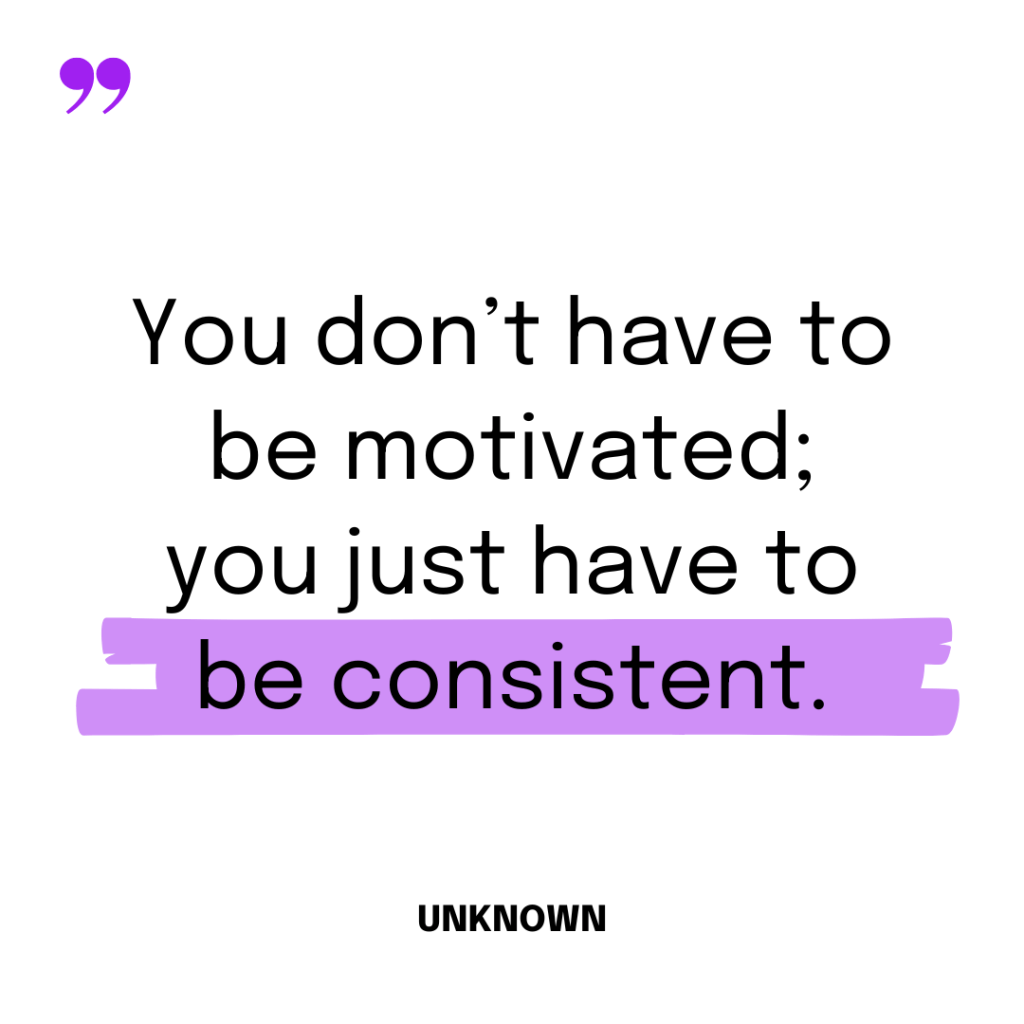
It’s not important how much you do; it’s more important to be consistent and show up regardless of how you feel. Again, I’m not putting as much pressure on things like hitting PB numbers, meditating every day or reading every day. Ironically, after removing the pressure, I hit more PBs!
What Can You Do To Incorporate Play Into Your Life?
This all depends on your interests, as everyone is different, but here is a list of activities grouped by type. You can choose one or several, combine two, or you can use one as a starting point to springboard new ideas. The choice is yours!
| Category | Examples |
| Sports and Physical Activities | – Group: Football, basketball, Badminton – Solo: Running, swimming, cycling – Adventure: Climbing |
| Games and Puzzles | – Board Games – Card Games – Video Games – Puzzles (e.g. Sudoku) |
| Creative Hobbies | – Art: Painting, drawing – Writing: Journaling, blogging – Music: Playing an instrument, singing, DJing, Producing |
| Social Gatherings and Events | – Game Nights – Themed Parties – Improv Classes – Pub Quiz |
| Travel and Exploration | – Nature Outings, Adventure Travel, Cultural Experiences |
| Mindfulness and Outdoor Activities | – Meditation – Journaling – Gardening – Stargazing |
| Learning New Skills | – Cooking – Language Learning – DIY Projects (something I want to also do again!) |
| Pet Play and Animal Companionship | – Pet Games – Training – Dog walking |
Conclusion
Incorporating play into adulthood is more than just a pastime; it’s a vital form of self-care that revitalises our mind, body, and spirit. Embracing play without concentrating on results or outcomes allows us to experience genuine freedom and reconnect with what truly brings us joy. Whether it’s learning a new skill, participating in physical activities, or simply revisiting a favourite hobby, play provides a refreshing break from our daily routines and helps us stay connected to ourselves and the universe.
So, let’s remember to keep play alive, show up consistently and enjoy the journey, not just the outcome. After all, play is not just for kids; it’s for anyone seeking a more vibrant and fulfilling life.
 Prajay
Leave a comment